

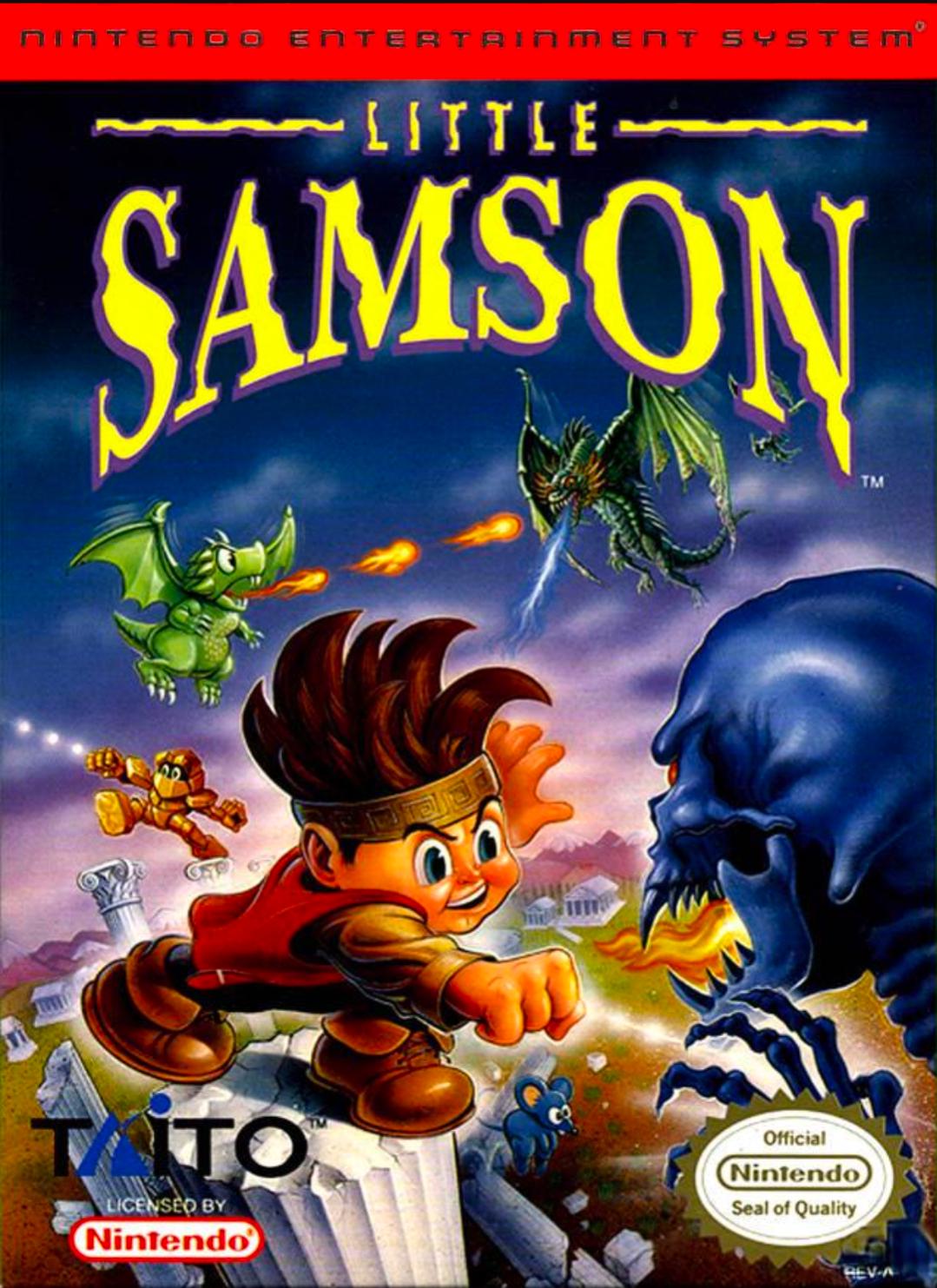
You’re evaluating NES value by looking at condition, packaging, and rarity—not just the game alone. You’ll find sealed copies and complete-in-box sets command the highest premiums, while loose carts lag behind unless they’re rare variants. Variant factors, regional releases, and misprints matter just as much as the title itself. Spotting forgeries and tampering is essential before you commit, and the real leverage comes from tracking recent sales to spot where markets are headed. Keep an eye on trends.
Key Takeaways
- Condition and completeness (boxes, manuals, inserts) are the primary drivers of NES title value.
- Rarity and limited print runs significantly boost prices, especially for sealed or misprinted variants.
- Authenticity verification (labels, packaging, region codes) protects investment and resale value.
- Analyzing sold listings helps distinguish real demand from hype and guides timing.
- High-demand titles with strong nostalgia or complete-in-one-box sets offer better liquidity and returns.
What Makes NES Values Tick
The value of NES games hinges on a few core factors that together shape a game’s market price. You assess rarity, condition, and packaging to gauge true worth, then consider demand cycles that flex with nostalgia and availability.
Collector demand drives premium pricing when scarcity meets cult appeal, especially for titles with limited print runs or regional quirks. Nostalgic value threads through your judgment, elevating desirability beyond raw gameplay; it prefixes willingness to pay with personal memory and cultural resale momentum.
You also weigh playability versus preservation: mint cases, manuals, and accurate ROM or hardware compatibility sustain long-term value.
Finally, you analyze market visibility—completed auctions, condition grading, and consistent supply—and translate these signals into a disciplined price framework you can trust.
Top NES Titles That Sell High
You’ll see that rare NES titles tend to command outsized returns, with collectors treating condition, completeness, and provenance as integral value drivers.
Market waves reflect this mix, as demand spikes when nostalgia intersects with scarcity and proven track records in auctions or catalogs.
Rare Returns: NES Values
Rare returns in the NES market aren’t random luck; they hinge on rarity, condition, and demand for classic titles that defined a generation.
You’ll see value rise when collectors unite around strong condition and verified provenance, feeding a robust market analysis that guides decisions.
Before you buy, do your value estimation with careful grading, complete inserts, and functional gameplay.
1) Mint boxes with intact cartridges elevate perceived value, signaling long-term collectability.
2) Factory-sealed copies spike attention, but authenticity checks matter more than hype.
3) Rare variants and misprints create scarcity that drives premium prices.
4) Complete-in-one-box sets accelerate liquidity as demand concentrates around provenance and completeness.
Market Waves: Price Trends
Price momentum for top NES titles tends to ride cycles of scarcity, nostalgia, and market confidence, with high-demand games spiking after reissues, anniversaries, or retro-gaming buzz.
You’ll notice market waves reflect broader demand signals: supply tightens as copies disappear, while collectors chase iconic releases. These dynamics produce visible market fluctuations, where a single announcement can tilt prices across categories.
You’ll want to track timing as a predictor, not just the price point. Price prediction becomes less about exact numbers and more about momentum cues—reissues, bundles, or retro events signal consolidation or breakout moves.
Stay analytical: identify durable winners, assess rarity-to-demand ratios, and anticipate when earnings from nostalgia align with broader collector interest. Liberation comes from understanding trends, not chasing every spike.
How Condition Affects NES Value and Grading
Condition is the main driver of NES value, shaping what collectors are willing to pay more than any other factor. You assess worth through concrete markers, not intuition, and grading scales guide your judgment with consistency.
You’ll notice how small flaws lock in price differences, while pristine copies unlock premium potential. This is where liberation meets discipline: you define your standards, and the market reflects them.
- Visual integrity: pristine surfaces, clean labels, and aligned borders spark confidence.
- Packaging and manuals: complete sets with crisp inserts elevate perceived value.
- Functional luck: cartridges load, pins seat, and gameplay remains uninterrupted.
- Provenance: stamps, seals, and documented history tighten your control over risk.
Grading scales and condition criteria form your framework for fair, decisive appraisal.
Variant Rarity: Print Runs, Regions, and Misprints
Print runs, regional variants, and misprints shape value more than most players realize; understanding how each factor affects rarity helps you separate hype from solid investment.
You’ll examine variant types and print variations with a critical eye, prioritizing data over gut instinct. Print runs reveal production realities: small-batch releases or regional limits can inflate scarcity even when gameplay remains identical.
Regional variants matter too, as localization, packaging, and distribution quirks create distinct demand pools you can exploit or dodge. Misprints, while flashy, don’t guarantee enduring value unless they signal meaningful collectible status or enhanced appeal.
Approach with discipline: quantify rarity, compare completed sets, and track market trajectories. By decoding these factors, you empower yourself to make lucid, liberated decisions rather than chasing transient trends.
Spot Counterfeits and Tampered NES Cartridges
Counterfeit and tampered NES cartridges distort value more than most players realize, so you should verify authenticity before you buy or bid.
You want clarity, not mystique, when spotting risk signals and protecting your collection’s worth. Counterfeit detection becomes your first safeguard; tampered cartridges threaten provenance and performance, eroding confidence and price. Trust your eyes, then confirm with tests and documentation.
- A glossy label with misaligned borders and odd fonts that whisper “fake” beneath the glare.
- Chips or boards that look altered, with glue seams showing through the shell.
- Inconsistent contact pins or forked connections that stall the game at boot.
- Odd cartridge weight or overheating buzz that hints at internal tampering.
Study packaging, compare region codes, and log serials—liberation through informed, deliberate choices.
NES Cartridges vs. Discs: Value by Format
Across formats, value hinges on condition, completeness, and provenance, but NES cartridges typically command more stable resale than discs due to durability, release scarcity, and verification trails. You’ll notice cartridge durability matters: plastics endure transport and storage better, while discs risk scratches and data rot. Format popularity shapes demand curves; carts remain cultural anchors, driving consistent interest and resale ceilings. In practice, cartridges win on verification trails—a tangible record of firmware, ownership, and history that discs struggle to replicate. You gain clarity when weighing completeness and provenance, rather than chasing flash-in-the-pan trends. This analysis favors cartridges for long-term value, while discs offer niche collectability but thinner price stability.
| Cart durability | Format popularity |
|---|---|
| High | Steady |
| Moderate | Varied |
| Low | Niche |
| Very high | Broad |
Complete in Box vs. Loose Cartridges: Price Gaps
Complete-in-box cartridges typically fetch a premium over loose examples, but the gap isn’t uniform; it widens for rare titles, high-demand publishers, and early-era releases with scarce packaging.
You’ll notice price gaps react to box condition and cartridge rarity, not just year or label. When you compare, you gauge value by both the hardware and its presentation, not merely the stickered game.
1) Box condition signals completeness and care, amplifying perceived value
2) Cartridge rarity drives scarcity-driven bids, widening the spread
3) Early-era packaging heightens collector interest and price sensitivity
4) Loose copies rarely catch up unless they’re sought after by budget-focused buyers
In short, your leverage lies in documenting box condition and highlighting cartridge rarity to justify the premium.
Verifying Authenticity Without Opening
To verify authenticity without opening, start by cross-referencing visible provenance markers and packaging cues that survive inspection from the outside. You’ll rely on authentication techniques that emphasize precise, verifiable details rather than guesses.
Begin with visual inspections of cartridge labels, sticker integrity, and firmware-relevant markings, noting any deviations from known Nes standards. Inspect seal tapes, embossing, font spacing, and color wobble on logos, since these subtle cues reveal counterfeits.
Compare serials or batch codes against reliable databases, if available, and assess box art, manuals, and insert quality for consistency. Maintain skepticism about wear patterns that mislead, and document findings with clear photos.
This disciplined approach empowers you to determine legitimacy confidently while preserving your autonomy as a collector.
Reading Sold Listings and Pricing Guides
Reading sold listings and pricing guides helps you establish realistic value for NES titles. You’ll compare recent sales, spot pricing trends, and separate hype from steady demand. This practice empowers you to negotiate confidently and avoid overpaying, while still recognizing rarity.
Focus on patterns over one-off spikes, and weigh condition, completeness, and packaging in your judgments. By tracking sold listings, you create a personal benchmark that guides future purchases and sales with clarity.
- Visualize a buyer calmly weighing condition against stickered price, sensing a fair balance.
- Picture a seller monitoring daily shifts in pricing trends to time the next listing.
- Feel the confidence of citing concrete sold listings when negotiating value.
- Imagine a library of data, not guesswork, shaping strategic moves toward liberation.
Quick-Profit Strategies: Build a Valuable NES Collection
Building a valuable NES collection hinges on turning measured insights from sold listings into actionable profit strategies. You’ll apply objective filters, target high-demand titles, and prune weak bets to protect investment potential. Focus on condition, completeness, and rarity, then pair those data points with rapid decision rules to maximize gains. Track market cycles, set exit points, and avoid emotional bids that erode collection tips. Diversify by genre and era to balance risk and return, while preserving accessibility for future resale. Your goal is lean, evidence-based growth that scales with confidence.
| Item focus | Quick rationale |
|---|---|
| Condition | Core value driver |
| Completeness | Elevates price |
| Rarity | Drives premium |
| Demand | Signals liquidity |
| Budget fit | Controls risk |
Frequently Asked Questions
How Often Do Sealed ROMS Appreciate Faster Than Loose Carts?
Sealed ROMs appreciate faster than loose carts, but not uniformly. You’ll see premium gaps widening during bull seals, while loose cartridge value trends lag as market demand shifts; analyzed, trends show volatility, liquidity constraints, and strategic diversification advantages.
Which Popular Titles Are Undervalued Relative to Demand?
Underdogs become symbols of rare titles, and you spot them as demand shifts; today, undervalued gems ride market trends, rare titles rising quietly while you study timing, liquidity, and sentiment, freeing yourself through disciplined, analytical collecting.
Do Regional Variants Significantly Impact Long-Term NES Value?
Regional scarcity can meaningfully shift long-term value, and market trends will amplify or dampen that effect; you’ll find regional variants matter less than overall demand, but strategic buys during scarcity periods still boost your investment outlook.
Can Reproduction Labels Fool Seasoned Collectors Reliably?
Reproduction labels cannot reliably fool seasoned collectors. You stay sharp, testing provenance and authenticity, because reproduction authenticity hinges on meticulous inspection. You’ll boost collector awareness, spotting tells, and guarding value with analytical, liberating skepticism.
What Common Myths Inflate NES Collecting Profits?
Mythical rarity inflates profits because collector psychology drives demand and perceived value, not intrinsic worth. You’ll see hype around obscure titles, limited runs, and counterfeit booms, but you question assumptions, seek verifiable data, and cultivate mindful buying.